Sunderland Greyhound Welfare and Rehoming — GBGB Data, Schemes & Adoption
Best Horse Racing Betting Sites – Bet on Horse Racing in 2026
 Available in US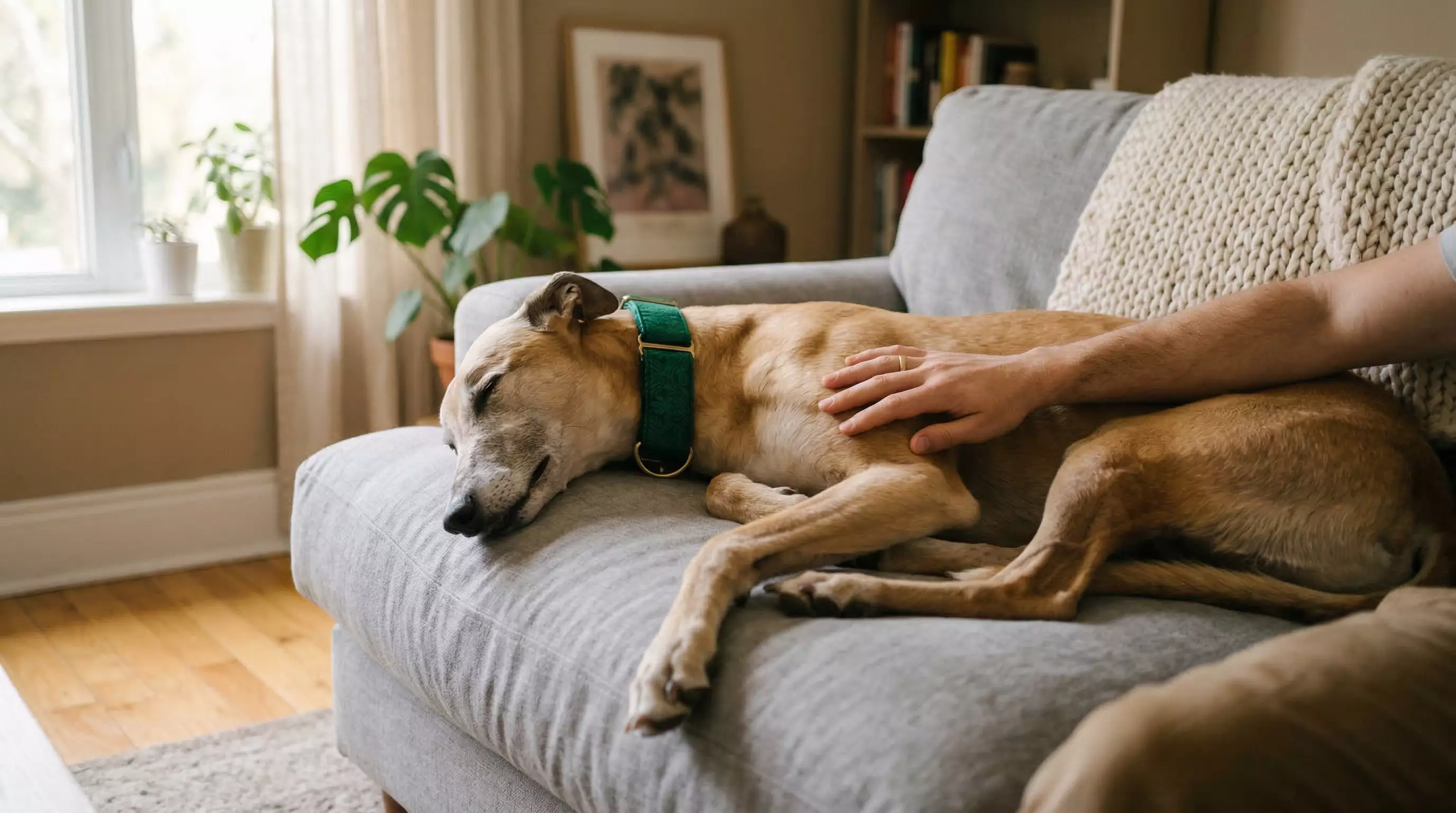
Every greyhound that races at Sunderland carries a GBGB earmark and a registration number. That number is not just an administrative formality — it connects the dog to a welfare system that tracks it from the day it enters training to the day it retires into a new home. The data behind that system, published annually by the Greyhound Board of Great Britain, tells a story of an industry that has fundamentally changed how it handles the dogs it depends on.
Whether that change has gone far enough depends on who you ask, and this article is not here to settle that argument. What it will do is lay out the numbers — injury rates, retirement outcomes, financial schemes — as reported by the governing body, and then narrow the focus to Sunderland specifically, a track that operates within the GBGB framework under Arena Racing Company ownership. If you are interested in greyhound welfare and rehoming as a subject, the data that follows is the baseline for any informed conversation.
The last six years have seen the introduction of financial bonds for every registered racing greyhound, the creation of an injury recovery fund, and the publication of detailed injury and retirement statistics that were simply not available a decade ago. The trend lines point in a direction that even the sport’s critics have acknowledged. But trends are not the same as completion, and understanding where the numbers stand in 2026 requires looking at both the progress and the gaps.
GBGB’s Welfare Strategy — What “A Good Life for Every Greyhound” Changed
In 2022, the Greyhound Board of Great Britain launched a document that had been quietly gestating for two years: A Good Life for Every Greyhound. It was not the sport’s first attempt at welfare reform — the Greyhound Commitment of 2018 had started the process — but it was the first time the governing body had published a strategy with 39 specific commitments, measurable targets and a timeline. Jeremy Cooper, then GBGB Chairman and a former Chief Executive of the RSPCA, described it at launch as “one of the most in-depth and comprehensive strategies for working animal welfare that has ever been produced in this country” — a claim that carried weight given his background in mainstream animal welfare.
The strategy covers five broad areas: racing safely, living well, retiring well, research and innovation, and governance. Within each area, the 39 commitments range from the tangible — doubling the frequency of independent track surface inspections — to the structural, such as establishing a mandatory continuing professional development programme for trainers, kennel staff and track officials.
On the inspection front, GBGB’s progress report from October 2025 confirmed that the Sports Turf Research Institute now conducts quarterly assessments of track surfaces at all licensed venues, double the previous frequency. These visits are not cosmetic: STRI inspectors measure ground hardness, drainage performance and surface consistency, producing reports that tracks must act on. At Sunderland, where racing takes place year-round across varying weather conditions, the practical impact is that track maintenance is now audited against an external benchmark rather than left to local judgement.
The CPD programme has also gained traction. By the end of 2024, industry participants had logged more than 580 hours of free continuing professional development — covering topics from kennel management to injury recognition and first aid. The programme is not yet mandatory across all licence categories, but GBGB has signalled that mandatory requirements are part of the roadmap. The logic is straightforward: better-trained staff make better welfare decisions, and better decisions reduce the incidents that generate negative headlines.
One structural change that gets less attention but matters enormously is the standardisation of data collection. Before 2018, injury and retirement data across the UK’s licensed tracks was inconsistent, incomplete, and in some cases simply not collected. The Greyhound Commitment introduced mandatory reporting, and A Good Life for Every Greyhound built on that foundation by requiring every track to submit data in a uniform format. The result is the annual injury and retirement report — which we will examine in the next section — that represents the most detailed picture of greyhound welfare outcomes that any racing jurisdiction in the world publishes. Whether you consider the numbers good enough is a separate question; that they exist at all is the direct result of this strategy.
It is worth noting what the strategy does not do. It does not address the economics of the sport — the voluntary bookmaker levy, the pressure on trainers’ margins, the funding gaps that critics argue undermine welfare in practice. Those financial questions are real, and they shape the context in which every welfare commitment operates. But as a framework for what the governing body controls directly — track safety, data transparency, rehoming infrastructure, professional standards — the strategy marked a genuine step change from what existed before.
Injury and Retirement Data — 2018 to 2024
Numbers first, context second. In 2024, GBGB’s annual injury and retirement report recorded 3,809 injuries across 355,682 individual race runs on licensed tracks. That gives an injury rate of 1.07% — meaning roughly one injury per 93 race runs. It is the lowest figure since mandatory reporting began in 2018, and the seventh consecutive year the rate has either fallen or held steady.
To put that in proportion: if you watch a full twelve-race card at Sunderland, with six dogs in each race, you are watching 72 individual race runs. Statistically, fewer than one of those 72 runs will result in a reported injury. Most of those injuries are minor — muscle strains, cuts, or bruising that require rest rather than surgery. The category that attracts the most public concern — fatal injuries on the track — stood at 0.03% in 2024, down from 0.06% four years earlier. In absolute terms, that is a halving of the fatality rate over a period during which the total number of races staged did not decline proportionally.
The figure that has changed most dramatically is economic euthanasia — the practice of putting a retired greyhound down because rehoming was not arranged and the owner or trainer did not wish to bear ongoing costs. In 2018, the first year of full reporting, 175 greyhounds were euthanised for economic reasons. By 2024, that number had fallen to three. Not three hundred. Three. It is the single most striking data point in the entire welfare report, and it reflects a combination of the financial schemes discussed in the next section and a cultural shift within the industry about what constitutes an acceptable retirement outcome.
The retirement data is equally important. Of the greyhounds that left racing in 2024, 94% — or 5,795 dogs — were successfully rehomed, returned to their owners as pets, or placed in other monitored outcomes. That is up from 88% in 2018. The remaining 6% includes dogs that died of natural causes, were euthanised on veterinary advice for quality-of-life reasons, or whose outcomes could not be confirmed at the time of reporting. GBGB has been transparent about this residual category, acknowledging that closing the gap entirely requires better follow-up systems for dogs whose ownership changes after they leave racing.
A few caveats are necessary. These figures cover GBGB-licensed tracks only — they do not include unregulated flapping tracks, which operate outside the governing body’s jurisdiction and do not submit data. The actual welfare picture across all greyhound racing in the UK is therefore less clear than the GBGB numbers suggest, though the licensed sector accounts for the vast majority of organised racing. Additionally, the injury reporting methodology has been refined over the years, which means direct year-on-year comparisons carry some noise. A track that improves its reporting accuracy might record more injuries in a given year without actual welfare deteriorating.
With those caveats noted, the trajectory since 2018 is unambiguous: injury rates are down, fatality rates are down, economic euthanasia has been virtually eliminated, and successful rehoming rates are up. Whether the current levels are acceptable is a values question that different stakeholders answer differently. But the direction of travel, measured by the sport’s own published data, is not in dispute.
GRS and IRS — How the Financial Schemes Work
Welfare commitments without funding are just words on a page. The two financial mechanisms that underpin GBGB’s rehoming and injury framework are the Greyhound Retirement Scheme (GRS) and the Injury Recovery Scheme (IRS). Together, they have channelled millions of pounds into the post-racing lives of greyhounds since their introduction, and understanding how they work is essential to evaluating whether the welfare data we just reviewed is sustainable.
The GRS operates on a bond system. Every greyhound registered to race in the UK requires its owner to deposit a bond — currently £420 per dog, raised from £400 in 2025 — which is held by GBGB for the duration of the dog’s racing career. When the greyhound retires and is successfully rehomed through a GRS-accredited homing centre, the bond is returned to the owner. If the owner fails to arrange a satisfactory retirement outcome, the bond is forfeited and directed into the rehoming fund. The incentive structure is deliberate: owners who do the right thing get their money back; owners who do not fund the system that picks up the slack.
Since the GRS launched in 2020, more than £5.6 million has been paid out to homing centres across the UK. That money funds kennel space, veterinary checks, behavioural assessments and the operational costs of finding suitable adopters for retired racers. The network of GRS-accredited centres includes both greyhound-specific charities and mixed-breed rescue organisations that have met GBGB’s welfare standards for kennelling and rehoming.
The bond increase from £400 to £420 in 2025 may sound modest, but multiply it across approximately 6,000 new registrations a year and the additional revenue becomes meaningful. GBGB’s October 2025 progress report noted that adoptions through GRS-accredited centres rose by 37% in the first half of 2025 compared with the same period in 2024 — a jump that reflects both the growing capacity of the homing network and the financial support the bond system provides to keep that network running.
The Injury Recovery Scheme sits alongside the GRS but serves a different purpose. Launched in December 2018, the IRS provides financial support for veterinary treatment when a greyhound is injured during racing or trials at a licensed track. The fund covers surgical procedures, rehabilitation and follow-up care that might otherwise be beyond an owner’s or trainer’s means. Since inception, the IRS has paid out close to £1.5 million in veterinary bills. The scheme does not cover every injury — there are thresholds and conditions — but it removes the financial pressure that previously led some owners to opt for euthanasia rather than treatment when faced with a large vet bill for a dog with no remaining racing value.
Taken together, the GRS and IRS create a financial floor beneath greyhound welfare. The GRS ensures that retirement is funded and that homing centres have the resources to do their work. The IRS ensures that a treatable injury does not become a death sentence because of cost. Neither scheme is perfect — homing centre capacity still varies by region, and the IRS application process involves paperwork that some trainers find cumbersome — but as a structural intervention, the two schemes have materially changed the economics of greyhound retirement in the UK.
Welfare at Sunderland Specifically
The national data gives you the big picture, but welfare is ultimately delivered at the track level. At Sunderland, the framework described above plays out through a combination of Arena Racing Company policies, local partnerships and the day-to-day practices of the trainers who kennel their dogs in the North East.
Sunderland operates under ARC’s welfare protocols, which in several areas go beyond the GBGB minimum. ARC venues are required to have an attending veterinary surgeon at every meeting — which is a GBGB rule regardless — but also to provide post-race injury reporting within 24 hours rather than the standard weekly submission. The faster reporting means patterns can be spotted earlier: if a particular bend or starting position is generating a disproportionate number of incidents, the track management team can investigate and act before the next fixture.
On the rehoming side, Sunderland works with several regional homing organisations to place retired racers. The North East has a well-established network of greyhound-specific charities, and the stadium has hosted “meet the greyhounds” events where the public can interact with retired racers and learn about the adoption process. These events serve a dual purpose: they normalise greyhounds as family pets in a region where lurcher and whippet ownership is already part of the culture, and they give homing centres a direct pipeline of potential adopters who have already seen the dogs in a relaxed setting.
The kennelling arrangements at Sunderland also reflect the welfare improvements that have been implemented across the ARC estate. Kennel blocks at licensed tracks must meet GBGB specifications for size, ventilation, heating and enrichment, and the STRI inspections cover not just the racing surface but the entire facility. Trainers based in the Sunderland area — many of whom also race dogs at Newcastle, the other ARC greyhound venue in the North East — are subject to unannounced kennel inspections by GBGB’s regulatory team, which checks everything from feeding regimes to exercise schedules and medical records.
One area where Sunderland’s position as a five-night-a-week venue creates specific welfare considerations is the management of racing frequency for individual dogs. GBGB rules restrict how often a greyhound can race within a given period, but at a busy track like Sunderland, the temptation for a trainer to run a dog too frequently — particularly a dog in good form that grades well — is real. The track’s racing manager works with trainers to ensure that racing programmes for individual dogs comply with welfare guidelines, and the GBGB registration system provides an automatic check: if a dog has raced too recently, the system flags the entry.
None of this means that welfare concerns at Sunderland have been eliminated entirely. Greyhound racing involves risk, and injuries still occur. What the framework does is ensure that when injuries happen, reporting is immediate, treatment is funded through the IRS where applicable, and retirement pathways exist for dogs that cannot or should not return to racing. The system is more robust than it was a decade ago, and the data supports that claim, but robust is not the same as flawless.
See also Sunderland Greyhound Night Out.
Adopting a Retired Greyhound — Step by Step
If the data in this article has moved you from curiosity to action, here is what the adoption process actually looks like. Retired greyhounds are among the most straightforward breeds to rehome — they are house-trained, accustomed to routine, and most of them have been handled daily by kennel staff since they were puppies. The stereotype of the couch-dwelling greyhound exists because it is largely accurate: these are sprinters, not endurance athletes, and their default setting off the track is remarkably calm.
The first step is to find an accredited homing centre. GBGB maintains a list of GRS-accredited organisations, and several of the larger charities operate across multiple regions. In the North East, there are centres within reasonable driving distance of Sunderland that specialise in ex-racing greyhounds and can match you with a dog suited to your living situation. Most centres have an online presence where you can browse available dogs, though the best approach is usually to visit in person and spend time with two or three candidates.
The process typically begins with an application form that covers your home setup — whether you have a garden, whether it is securely fenced, whether you have other pets or young children, and your experience with dogs. Greyhounds have a strong prey drive, which means homes with cats, rabbits or other small animals require careful introduction and sometimes a dog that has been cat-tested by the homing centre. This is not an insurmountable hurdle, but it is one the centres take seriously and you should too.
A home visit follows the application. A volunteer or staff member from the homing centre will check that your living space is suitable and that the garden fencing is high enough — greyhounds can clear a surprising height if motivated, and a minimum fence height of five feet is typically recommended. The home visit is not an interrogation; it is a practical check that the environment works for a dog that has spent its life in a kennel and is about to learn what a sofa is.
Adoption fees vary by centre but generally fall in the range of £100 to £250. This typically covers neutering or spaying, vaccinations, microchipping, flea and worm treatment, and a dental check. Some centres also include a starter pack of food and a muzzle — not because retired greyhounds are aggressive, but because they are legally required to wear muzzles in certain public spaces until the owner demonstrates the dog is safe off-lead. Most adopters find the muzzle requirement becomes irrelevant within a few months as the dog settles into domestic life and passes basic behavioural assessments.
The adjustment period for a retired greyhound is usually two to four weeks. During this time, the dog is learning things that pet-bred dogs take for granted: stairs, glass doors, mirrors, household appliances, the concept of being alone for short periods. Most ex-racers adapt quickly, but some need patience with specific triggers. Homing centres provide ongoing support — including behavioural advice and, in some cases, a return policy if the adoption does not work out. The 94% successful rehoming rate published by GBGB for 2024 reflects not just the volume of adoptions but the quality of the matching and aftercare process.
For anyone in the Sunderland area, attending one of the stadium’s periodic “meet the greyhounds” open days is a low-commitment way to explore whether a retired racer is right for you. You can see the dogs in a familiar environment, talk to homing coordinators, and get a sense of individual temperaments before starting the formal process. It is also, for what it is worth, a genuinely enjoyable afternoon — retired greyhounds are hard to spend time with and not want to take home. Sunderland Greyhound Welfare and Rehoming — More on this topic at sunderland greyhound results.
