Greyhound Racing Night — What to Expect on Your First Visit to the Track
Best Horse Racing Betting Sites – Bet on Horse Racing in 2026
 Available in US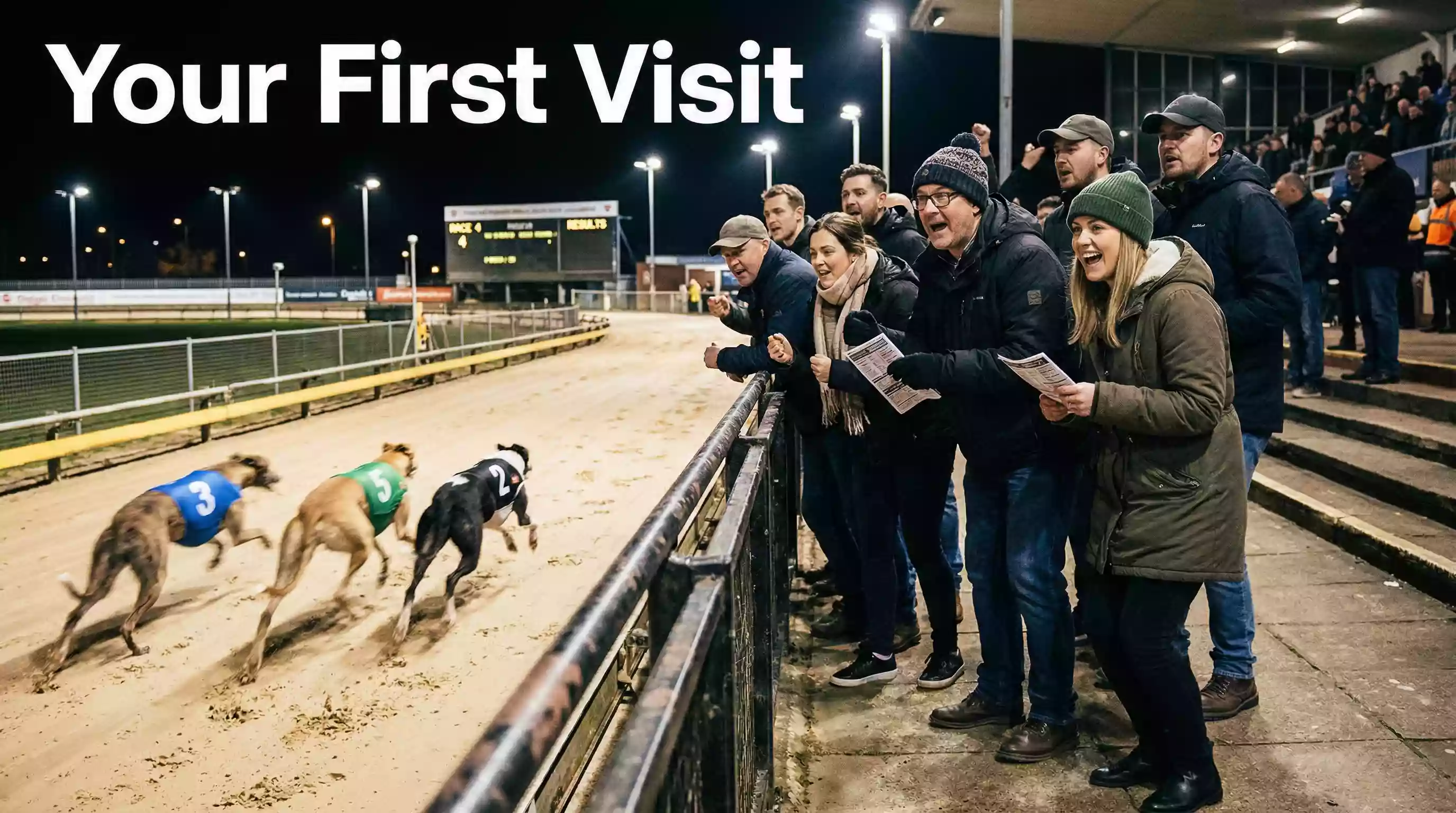
You have never been to a greyhound meeting. You have bought a ticket, or you have booked a restaurant table, or you are simply turning up on spec to see what it is all about. Either way, you have a vague idea of dogs chasing a mechanical hare, a suspicion that everyone else will know what they are doing, and no clear picture of how the evening actually works.
That is fine. Greyhound racing is one of the most accessible live sports in Britain — no dress code, no reserved seating protocol, no expectation that you will understand the form book before you arrive. The learning curve is short. By the third or fourth race you will have the rhythm of the evening, and by the last you will either be hooked or you will know it is not for you. Either outcome is perfectly reasonable.
This is a first-timer’s walkthrough of a typical meeting, from the moment you arrive to the moment you leave. It applies to any GBGB-licensed track, though the specific details draw on Sunderland’s layout and schedule.
Before You Go — What to Bring, What to Wear
There is no dress code. Jeans, trainers and a jacket will serve you perfectly well on the trackside terrace. If you have booked a restaurant table, smart-casual is appropriate but not enforced — you will not be turned away for wearing a hoodie, but you might feel more comfortable in something a notch above. The key clothing consideration is weather: Sunderland is an outdoor stadium, the terraces are uncovered, and north-east England does what it does. Layers, a waterproof outer layer and shoes that can handle a damp surface are practical rather than paranoid.
Bring cash. While cards are accepted at the bar, the restaurant and the tote, on-course bookmakers may not all have card machines. A float of £20 to £40 in small notes gives you enough to place a few bets without needing to find a cash machine mid-meeting. The stadium holds up to 1,500 people, but most Friday nights are comfortably below capacity, so there is no need to arrive unreasonably early for general admission.
A race programme is available at the entrance for a small fee. Buy one. It contains the racecards for every race, including trap draws, dog names, trainers, recent form and grade. Even if you do not understand all the data on your first visit, having the programme in your hand gives you something to study between races and a reference point when someone at the next table starts discussing the form.
Sunderland races on most days of the week, so there are plenty of opportunities to visit. Friday evenings are the most atmospheric for a first visit — the biggest crowd, the best-graded fields and the full restaurant experience. Sunday mornings are more relaxed and family-friendly. BAGS meetings on weekday afternoons are primarily for regulars and serious bettors rather than social visitors. Check the official Sunderland greyhound stadium website for confirmed fixtures and first-race times before planning your trip.
The First Race to the Last — A Walkthrough
Arrive thirty minutes before the first race if you have a restaurant booking, or fifteen minutes before if you are coming for general admission. The car park is free and has space for 500 cars. Walk through the main entrance, collect your programme, and get your bearings.
The first race on a Friday evening is typically around 7:15 pm. Before it goes off, you will see the dogs paraded in front of the stands — each wearing a coloured jacket that matches its trap number (red for Trap 1, blue for 2, white for 3, black for 4, orange for 5, black-and-white stripes for 6). This is when the on-course bookmakers call their opening prices and the screens display the odds. The parade lasts a few minutes, and then the dogs are led to the traps.
The traps open. Thirty seconds later, it is over. That is the rhythm of greyhound racing — the build-up takes longer than the race itself, and the gap between races (about fifteen minutes) is where most of the evening actually happens. In that gap, you check the result, collect any winnings, study the card for the next race, order a drink, and repeat. A twelve-race card lasts about three hours from first to last.
Placing a bet is simple. Walk up to the tote window or an on-course bookmaker, state the race number, the trap number, the type of bet (win, each-way, forecast) and the stake. Hand over the cash, take the slip. If your dog wins, return the slip to the same window after the result is confirmed. If you are using the restaurant service, there may be betting slips available at your table, or a runner who takes bets to the window on your behalf.
Joanne Wilson, Sunderland’s General Manager, has said that the stadium offers opportunities for visitors to meet the greyhounds and learn about their lives as racing dogs and as pets in retirement. On open-racing nights, particularly the bigger fixtures, there is a visible effort to connect the audience with the animals — which adds a dimension to the evening that you will not find at most other betting-driven sports.
See also UK Greyhound Betting Turnover and Industry Economics.
Common First-Timer Mistakes
The most common first-timer mistake is betting on every race. A twelve-race card offers twelve opportunities to bet, but it does not oblige you to take all of them. Experienced racegoers are selective — they bet on the races where they have a view, skip the ones where the form is unclear, and treat the non-betting races as entertainment rather than as missed opportunities. Betting on every race because you are there and the dogs are running is the fastest way to drain a session budget.
The second mistake is ignoring the racecard entirely. Picking a dog because you like the name, the trap colour or the number is fun for one race. Doing it for twelve is expensive. Even a cursory glance at the form — which dog has the best recent results, which has been winning at this grade, which is a first-time entry — gives you a better foundation than random selection. You do not need to become a form expert on your first visit, but a two-minute scan of the card before each race will improve both your results and your understanding of what you are watching.
The third is chasing losses. You lost the first three races and you are £15 down. The temptation is to double the stake on race four to “get it back.” Do not. The odds do not change because you are behind, and the emotional pressure of chasing makes your selections worse, not better. Set a budget before you arrive, stick to it, and treat any losses as the cost of the evening’s entertainment — the same way you would treat the price of a cinema ticket or a restaurant bill.
Finally, do not leave after the first race that goes wrong. A greyhound meeting is an evening, not a single event. The races have different rhythms, different field compositions and different atmospheres as the card progresses. The early races on a Friday card are often graded races with predictable fields; the later races can include open events, match races or higher-grade contests that produce the evening’s best moments. Stay for the full card at least once. If you still do not enjoy it after twelve races, fair enough — but give it the full audition before you decide. Greyhound Racing Night — More on this topic at sunderland greyhound results.
