Premier Greyhound Racing Classic at Sunderland — Category One Prestige
Best Horse Racing Betting Sites – Bet on Horse Racing in 2026
 Available in US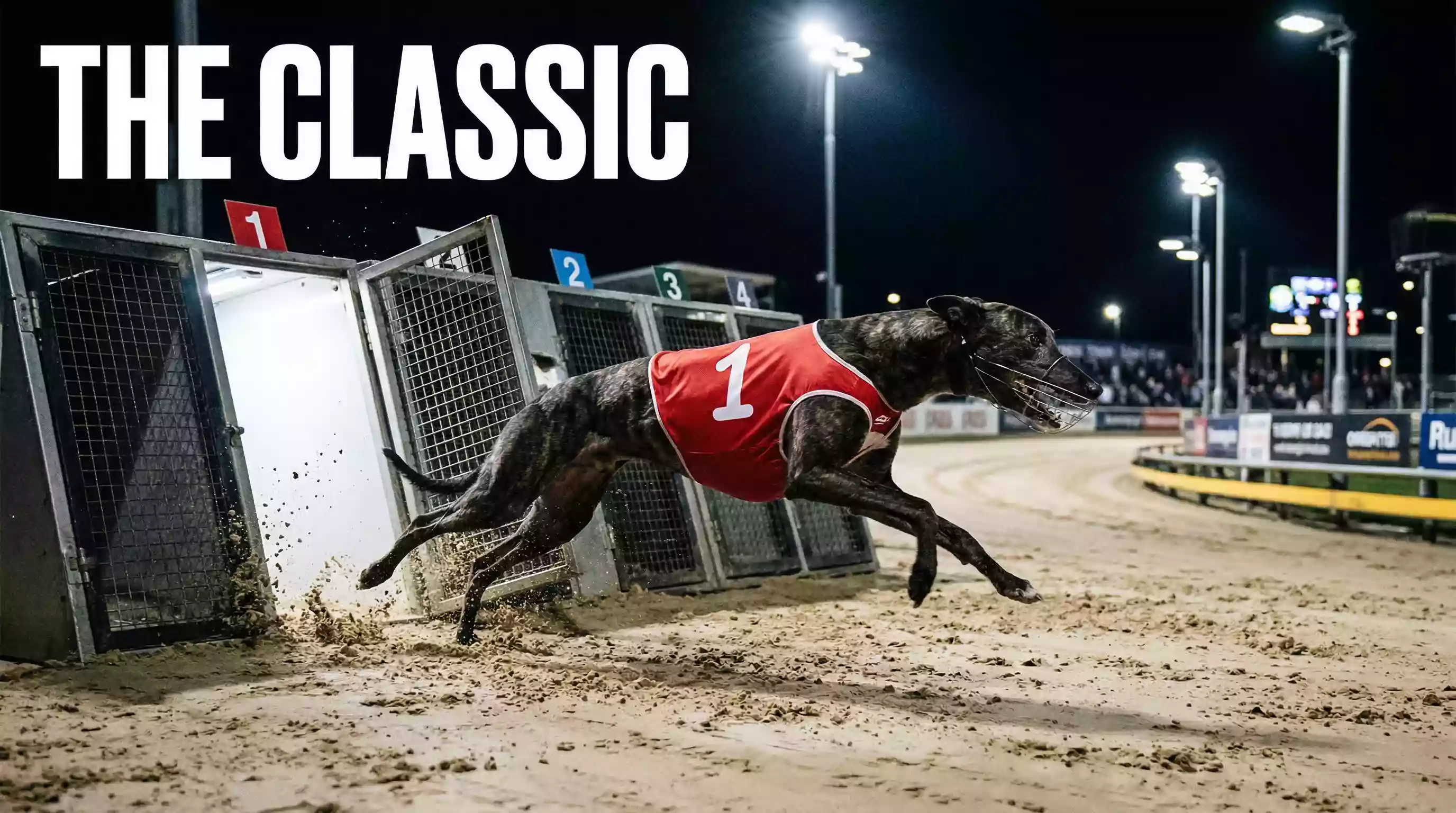
The Premier Greyhound Racing Classic is one of two Category One competitions staged at Sunderland, carrying a winner’s purse of £20,000 and drawing top-graded dogs from across Britain. In a sport where most individual race prizes are measured in hundreds, a five-figure purse changes the dynamics entirely — it attracts the fastest dogs, the most ambitious trainers, and the most engaged crowds of the year.
Category One is the highest tier in the GBGB competition calendar, reserved for a select group of events at a handful of tracks. Sunderland’s status as a Category One host is not inherited — it has been earned through the stadium’s facilities, its racing programme and the commercial backing of Arena Racing Company. Holding the Premier Greyhound Racing Classic places Sunderland alongside the most prestigious venues in UK greyhound racing.
What Category One Means
GBGB classifies competitions into tiers based on prize money, field quality and prestige. Category One is the top level — the equivalent of a Group One race in horse racing. Not every licensed track hosts a Category One event; the designation requires a combination of suitable facilities, adequate prize funding, and a track capable of staging racing at the highest standard.
The Category One calendar includes some of the biggest names in UK greyhound racing: the English Greyhound Derby, the Scottish Derby (when Scotland still had a licensed track), the St Leger, and a handful of other events scattered across the remaining eighteen stadiums. Sunderland holds two Category One slots — the Premier Classic and the ARC Grand Prix — which puts it in elite company. Most tracks do not have any.
What Category One status means in practice is stronger fields. Trainers from across the country are willing to travel their best dogs to compete for the prize money and the prestige. A dog that wins a Category One event at Sunderland adds a line to its racing CV that carries weight at any track in Britain. For breeders, owners and trainers, a Category One victory is a statement of quality that transcends the individual race.
The prestige factor extends to the betting market. Category One events generate higher betting volumes than standard meetings — both on-course and through bookmaker shops and online platforms. The stronger fields attract more analytical interest, the form data is scrutinised more closely, and the dividends on forecast and tricast bets tend to reflect tighter, more competitive fields. A Category One meeting at Sunderland is a different commercial proposition from a Monday afternoon BAGS card, and the betting numbers reflect that difference.
The total UK prize fund for greyhound racing sits at approximately £15.7 million across all races at all tracks. The Premier Classic’s £20,000 winner’s purse represents a significant concentration of that total into a single event — a reflection of the competition’s status within the sport’s hierarchy.
See also ARC Grand Prix Sunderland.
Race Format, Distance and Conditions
The Premier Classic is run over 450 metres — Sunderland’s standard distance and the most commonly raced trip at the track. The choice of distance is deliberate: 450 metres is the bread-and-butter distance of UK greyhound racing, the trip at which the deepest pool of talent is available and the one that produces the most competitive fields.
The competition is structured as a series of heats leading to a final. Dogs qualify through timed trials and preliminary rounds, with the fastest qualifiers progressing to the semi-finals and then to the final night. The heats are staged over several meetings, which means the Classic occupies a sustained block in Sunderland’s fixture calendar rather than being a single-night event. For regular attendees, the build-up across heat nights is part of the appeal — you watch the form develop, see which dogs handle the track well, and arrive at the final with a genuine opinion on the contenders.
The final is typically staged on a Friday evening — the flagship night in Sunderland’s weekly schedule — and draws the largest crowd of the year for a single race. The atmosphere on final night is markedly different from a routine open-racing card. There is more noise, more tension, and a palpable sense that the outcome matters beyond the immediate result. For the winning trainer, a £20,000 purse is a career-defining payday. For the winning greyhound, it is the kind of performance that raises its standing — and its breeding value — across the sport.
Entry conditions for the Classic are set by the racing office and published in advance. Dogs must hold a current GBGB racing licence, meet grade requirements specified for the competition, and be nominated by their trainer within the entry window. The specifics vary from year to year, and the official Sunderland greyhound stadium website publishes the full conditions when entries open.
Notable Editions and Winners
The Premier Classic has produced some of the fastest 450-metre performances in Sunderland’s recent history. Winners tend to be dogs at the peak of their careers — animals that have proven themselves through the graded system and are competing at open-class level. The names change from year to year, but the profile is consistent: strong early pace, the ability to handle Sunderland’s 93-metre run-up to the first bend, and the composure to perform under the pressure of a Category One final.
Because the Classic is run over heats and a final, the competition functions as a form generator in its own right. The heat times and performances become reference data for the rest of the season — if a dog runs 28.10 in a Classic heat at Sunderland, that figure carries more analytical weight than the same time in a routine B-grade race, because the standard of opposition confirms the quality of the performance. Form students pay close attention to Classic data for exactly this reason.
The event also serves as a showcase for Sunderland’s capabilities as a venue. Category One nights bring visitors who might not attend a regular fixture — owners from other regions, racing journalists, representatives from the GBGB and other governing bodies. The stadium’s ability to stage these events competently and attractively is part of what maintains its Category One status from year to year. It is not a permanent designation; it has to be earned through consistent operational quality.
The Classic also has a ripple effect on Sunderland’s regular grading. Dogs that perform well in the heats but do not reach the final often stay at the track for subsequent open-night cards, bringing a temporary boost to the quality of Friday evening racing. For trainers, the Classic preparation period — trialling dogs at the track, assessing the surface, fine-tuning fitness — produces form data that feeds into the broader Sunderland results picture for weeks afterward.
For anyone following Sunderland results over the long term, the Premier Greyhound Racing Classic is the annual high-water mark on the 450-metre distance. The times, the field quality and the competitive intensity of the final set the benchmark against which everything else on the track is measured. If you are going to attend one Sunderland fixture all year, Classic final night is the one to choose. Premier Greyhound Racing Classic at Sunderland — More on this topic at sunderland greyhound results.
